
Clintonel Foundation · Nigeria · Since 2017
Building the people who build Africa
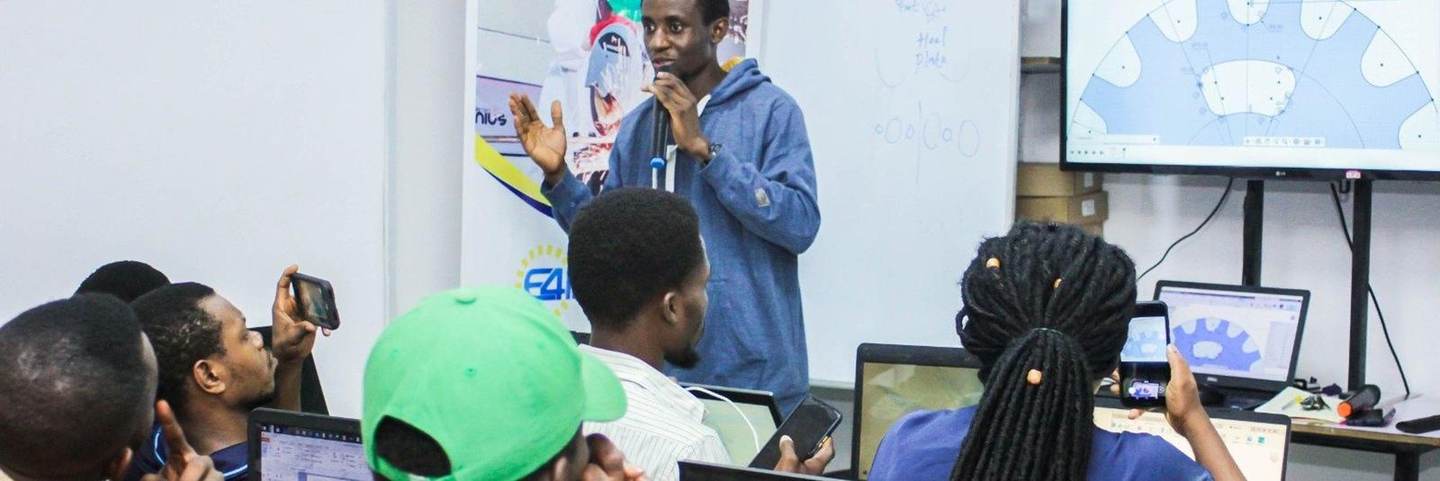
We equip young Africans with the engineering, technical and entrepreneurial skills they need to secure dignified work, create products and build businesses.
2,000+
Secondary students & teachers trained in STEM
1,000+
Engineering students & lecturers trained
49%
Placement rate — trainees now in work, self-employment or their own business
13
Hardware startups incubated, raising $600,000
About us
Who We Are
Clintonel Foundation was founded to transform young Africans’ relationship with technology — from consumers into producers, and from job seekers into job creators.
Founded in 2017 as Nigeria’s first makerspace and hardware innovation hub, the Foundation has since grown into a multi-programme ecosystem that spans secondary STEM education, university-level engineering training, youth employment, green economy innovation and technology startup incubation.
Our work is grounded in a simple conviction: Africa’s poverty is not a resource problem — it is a production problem. We exist to fix the production side, one skilled young person at a time.
Vision
To transform Africa into a technology producer.
Mission
To equip young Africans with the engineering, technical and entrepreneurial skills they need to secure dignified work, create products and build businesses.
What we do
Our Four Focal Areas
Our work runs through four focal areas, each taking young people from skills to jobs, products or businesses.

01 — Education
STEM & Engineering Education
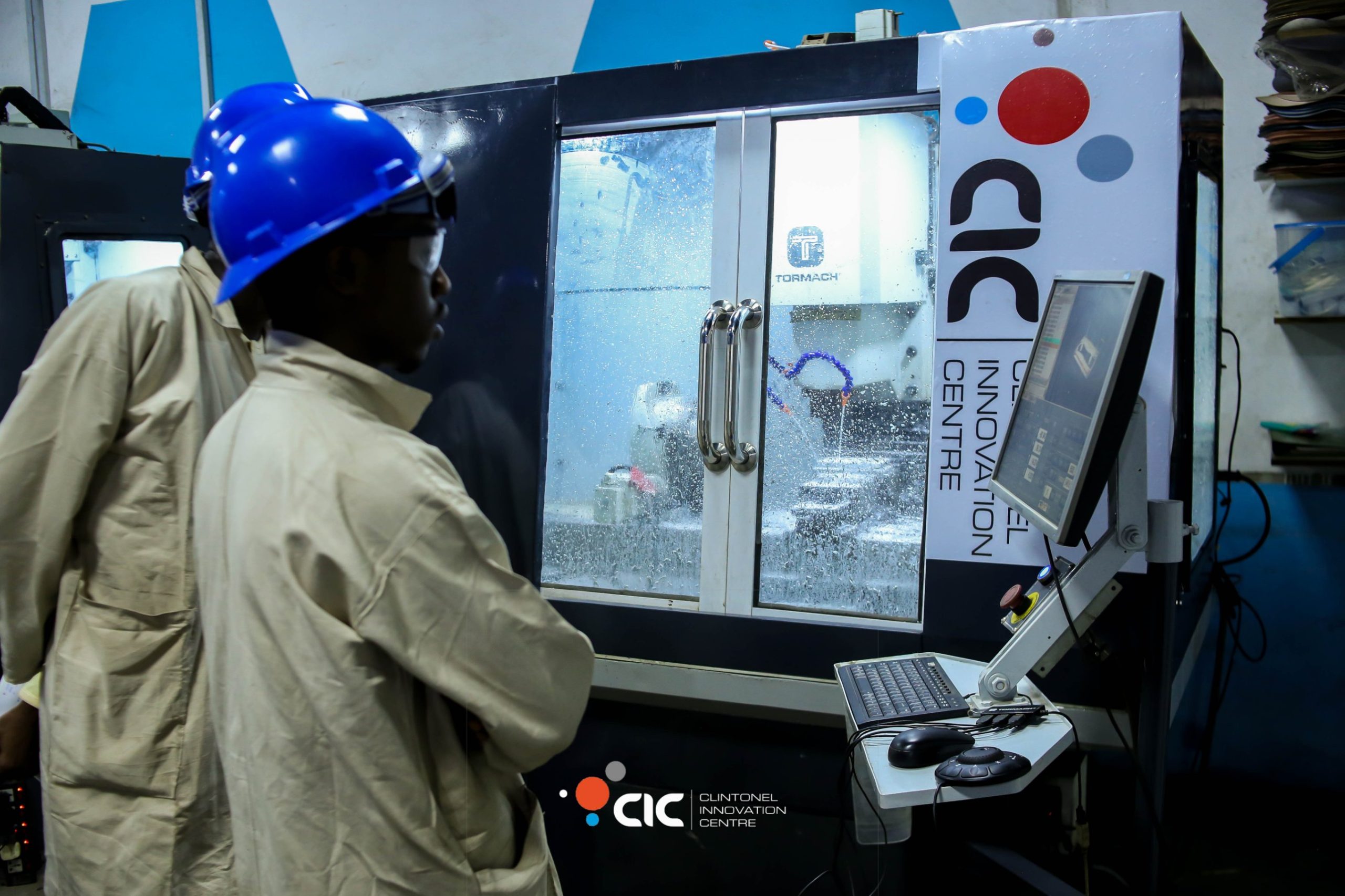
Practical STEM in secondary schools, and industry skills for engineering students, lecturers and graduates.

02 — Youth Employment
Skills to Work
Training in high-demand technology skills, then support into a job, self-employment or a new business.

03 — Green Economy
Waste to Products
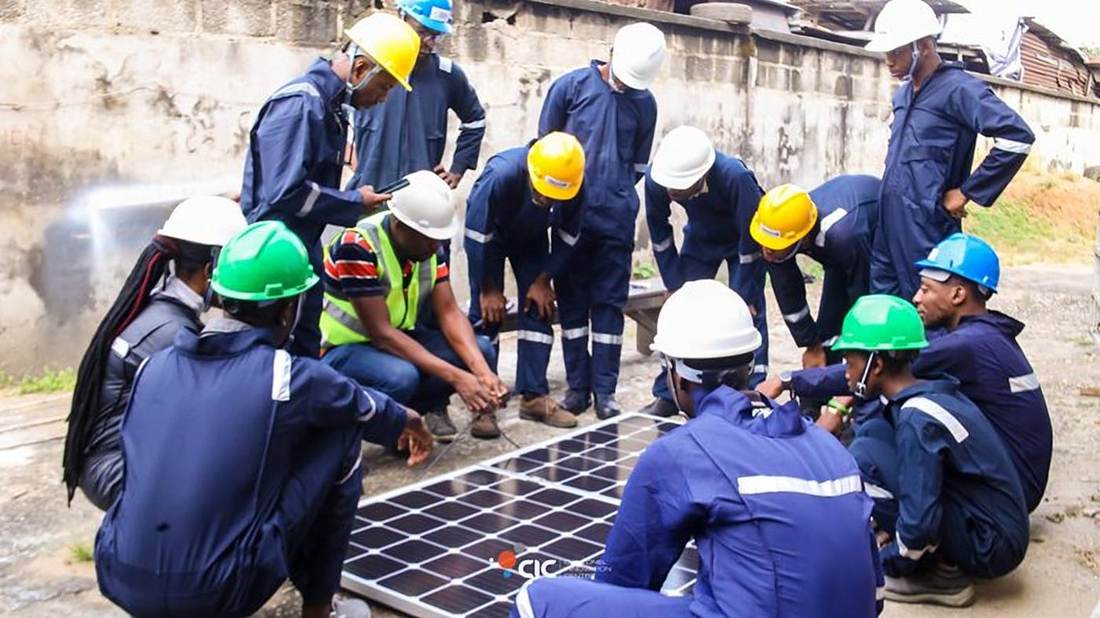
Solar skills, recycling and remanufacturing that turn waste into products and livelihoods.

04 — Technology & Startup Incubation
Prototype to Enterprise
Helping hardware founders turn concepts into working prototypes and viable businesses.
Our approach
Theory of Change
Our theory of change begins at the point of practical skill and traces a clear path from individual learning to continental transformation.
1
Practical Skills
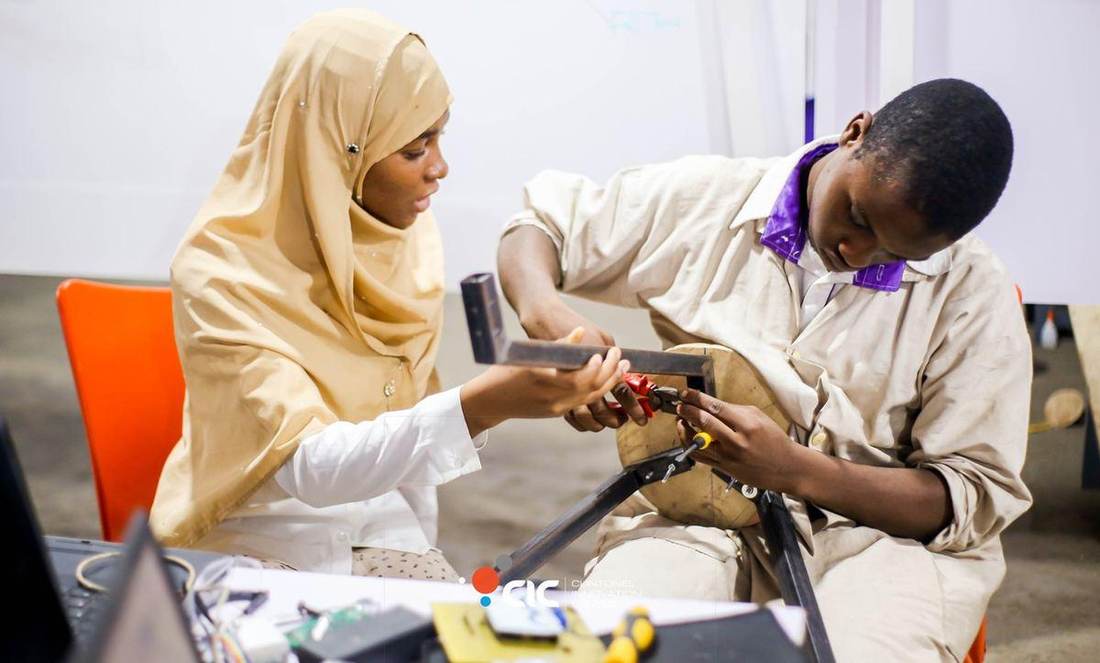
Young people gain hands-on engineering, digital fabrication and entrepreneurship skills through structured training with real equipment and industry mentors.
2
Three Pathways
Skilled individuals enter employment, self-employment, or business creation — launching products and enterprises.
3
Economic Activity
More skilled workers attract industry investment. More businesses reduce import dependence and generate tax revenue and community wealth.
4
Compounding Returns
Skilled workers train others. Businesses hire and mentor. Ecosystem institutions attract further funding and policy attention.
5
Continental Impact
At scale: import substitution, export generation, poverty reduction — an Africa that makes the things it uses.
Each programme we run contributes to this pipeline — from secondary school STEM kits that build early curiosity, through university engineering competitions that sharpen technical excellence, to youth employment programmes that convert skills into livelihoods and green economy training that connects industrial development with environmental sustainability.
Collaboration & support
Partners We Have Worked With
We are grateful to the organisations whose support has enabled us to design, deploy and scale our programmes across Nigeria.






“Africa does not lack resources. It lacks the capacity to transform those resources into products. Clintonel Foundation is building that capacity.”
Tochukwu Clinton Chukwueke · Founder, Clintonel Foundation
Help us build the people who build Africa
Fund a cohort, host apprentices, donate equipment or partner with us on research. Every partnership puts practical skills into young hands.